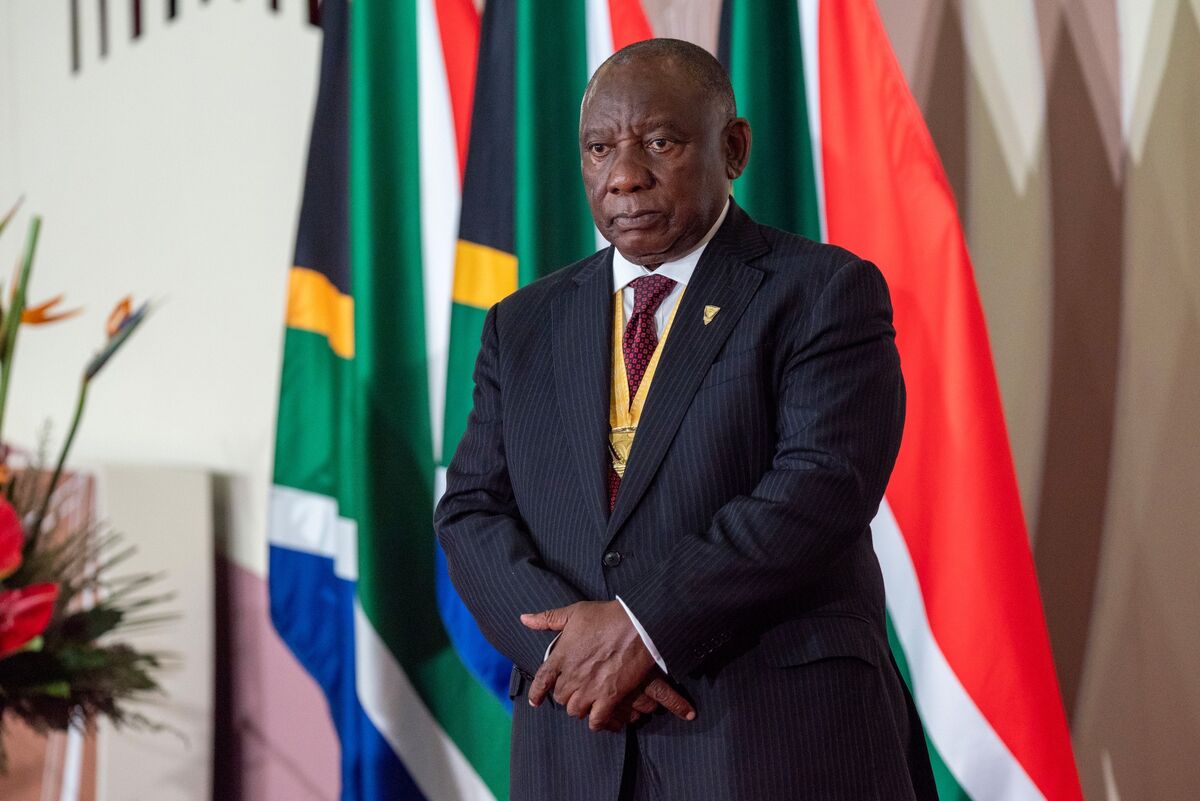
JOHANNESBURG, SOUTH AFRICA — President Cyril Ramaphosa has announced plans to address illegal migration in South Africa as anti-foreigner protests continue to spread in parts of the country, intensifying debate over immigration, public services, and economic opportunities.
The announcement comes amid growing public pressure on the government to respond to concerns about undocumented migrants, with demonstrations reported in several communities and some incidents escalating into violence.
The government has condemned unlawful acts while indicating that migration management will receive increased attention as authorities seek to restore calm and address public concerns.
Migration Debate Intensifies
The protests have reignited a long-running national debate over migration and its impact on South Africa’s economy and society.
Some demonstrators argue that undocumented migration is placing pressure on jobs, housing, healthcare, and other public services. Others have warned against blaming migrants for broader economic challenges, noting that many foreign nationals contribute to local businesses and the labor market.
The issue has become increasingly visible as South Africa continues to grapple with high unemployment, slow economic growth, and widening social frustrations in many communities.
Ramaphosa’s intervention signals that migration management is emerging as a major policy issue at a time when public concern over economic conditions remains elevated.
Pressure on Government Response
The latest protests have placed renewed scrutiny on the government’s immigration policies and enforcement mechanisms.
Critics have argued that existing systems struggle to effectively process migration cases and address concerns surrounding undocumented residents. At the same time, human rights organizations have urged authorities to ensure that enforcement measures comply with constitutional protections and international obligations.
Regional and international organizations have also expressed concern over reports of violence targeting foreign nationals. Calls have been made for authorities to protect affected communities while addressing underlying grievances through lawful and inclusive policy measures.
The government has repeatedly stated that criminal activity and undocumented migration should be addressed through legal processes rather than vigilante action or community-led enforcement.
Balancing Security and Social Stability
The challenge facing policymakers extends beyond border management. The protests highlight broader concerns about employment, public services, and economic opportunity that continue to shape public perceptions of migration.
Analysts note that migration has become intertwined with wider frustrations over economic hardship, making the issue particularly sensitive in many communities.
As authorities formulate their response, attention is likely to focus on strengthening immigration systems, improving documentation processes, and enhancing law enforcement capabilities while preventing further social tensions.
For the government, the immediate priority remains maintaining public order and preventing violence. Longer term, officials face the more difficult task of addressing migration concerns in a manner that balances national security, economic realities, and the rights of both citizens and foreign nationals.
With demonstrations continuing to draw national attention, migration policy is expected to remain at the center of South Africa’s political and public discourse in the months ahead.