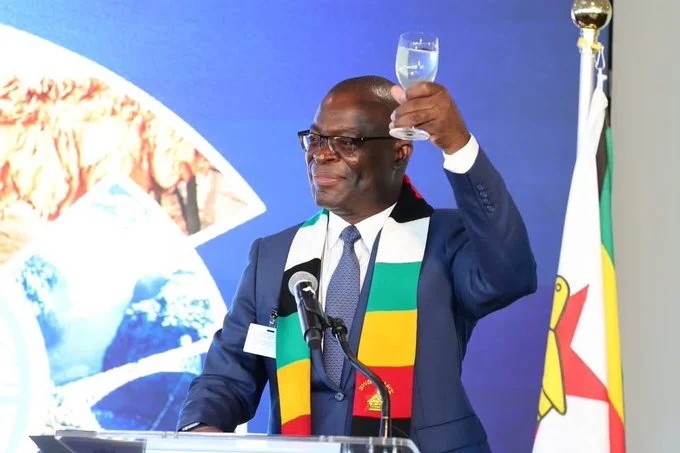
HARARE, ZIMBABWE — Zimbabwe has secured a non-permanent seat on the United Nations Security Council (UNSC) following elections held at the United Nations headquarters in New York, marking a significant diplomatic achievement for the Southern African nation.
The election places Zimbabwe among the countries that will participate in discussions and decisions on international peace and security, giving Harare a seat at the world’s highest security body for the duration of its term.
The outcome is being viewed as a notable foreign policy success for the government, which has sought to deepen engagement with international partners and strengthen its diplomatic presence on the global stage.
Diplomatic Momentum Builds
Zimbabwe’s successful bid comes amid broader efforts to expand its international engagement and rebuild strategic partnerships across Africa and beyond.
The country has increasingly emphasized diplomacy, regional cooperation, and multilateral engagement as key components of its foreign policy approach. Its participation in regional organizations, including the Southern African Development Community (SADC) and the African Union (AU), has provided important platforms for advancing its diplomatic priorities.
The Security Council seat offers Zimbabwe an opportunity to contribute directly to discussions on conflict resolution, peacekeeping operations, international security challenges, and global governance issues.
For Harare, the election also signals growing support among UN member states for the country’s participation in international affairs.
Greater Role in Global Affairs
As a non-permanent member of the Security Council, Zimbabwe will join other elected and permanent members in deliberations on some of the world’s most pressing security issues.
The council is responsible for addressing international conflicts, authorizing peacekeeping missions, imposing sanctions, and responding to threats to global peace and security.
Membership provides countries with an important diplomatic platform to advance their positions on regional and international issues while contributing to collective decision-making within the United Nations system.
Zimbabwe’s election is expected to increase the country’s visibility in international diplomacy and strengthen its engagement with global partners during its term on the council.
Focus Turns to Upcoming Term
Attention will now shift to Zimbabwe’s priorities as it prepares to assume its responsibilities on the Security Council.
The country is expected to work closely with fellow African members and regional partners on issues affecting the continent, including peace and security, conflict prevention, development, and humanitarian challenges.
The appointment also places new demands on Zimbabwe’s diplomatic institutions as they prepare to engage in the council’s extensive agenda and negotiations.
For Zimbabwe, the election represents more than a symbolic victory. It marks an opportunity to participate directly in shaping discussions on international peace and security while strengthening its diplomatic profile within the United Nations.
As preparations begin for its term, Harare will be looking to translate this diplomatic achievement into meaningful engagement on some of the most important issues facing the international community.