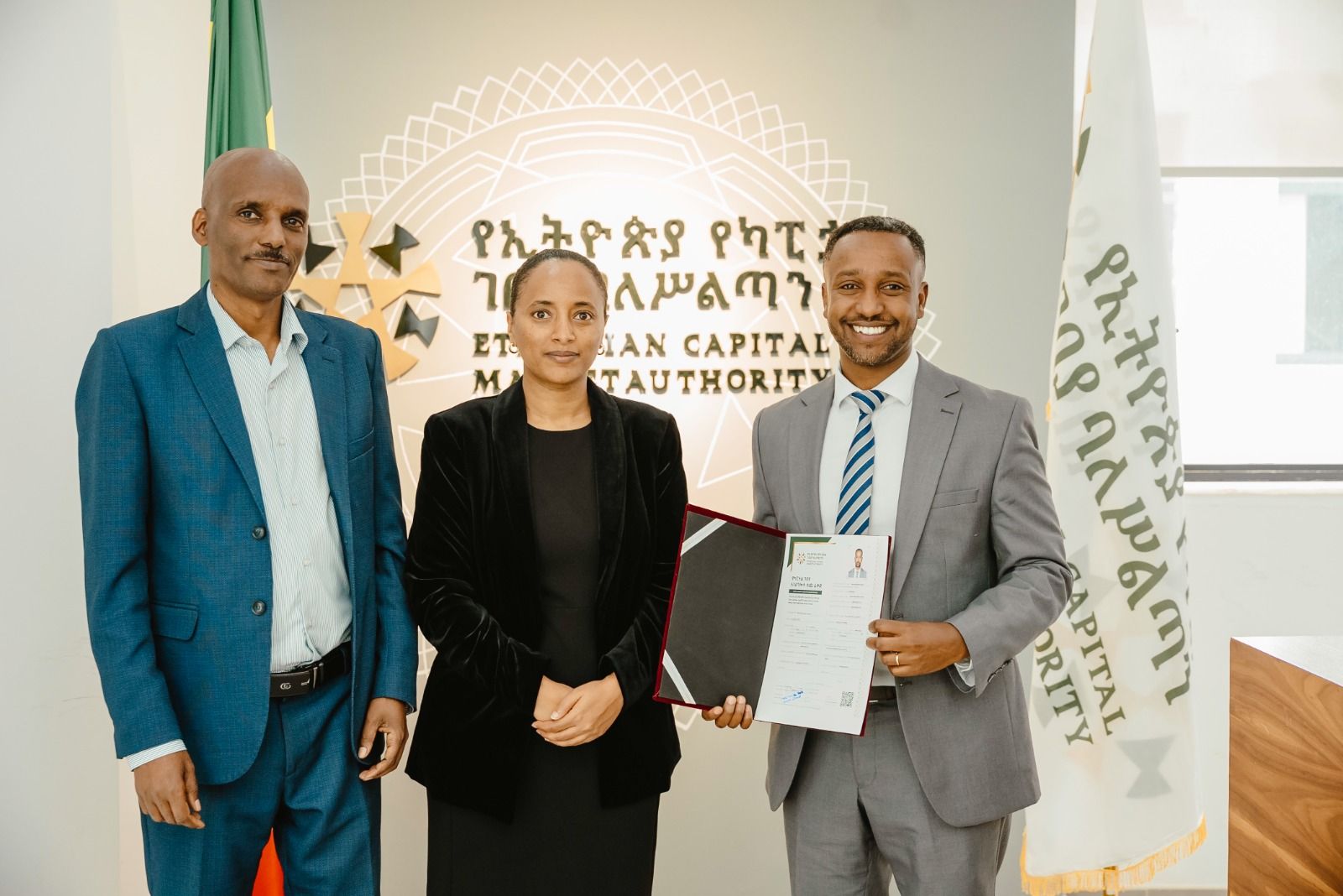
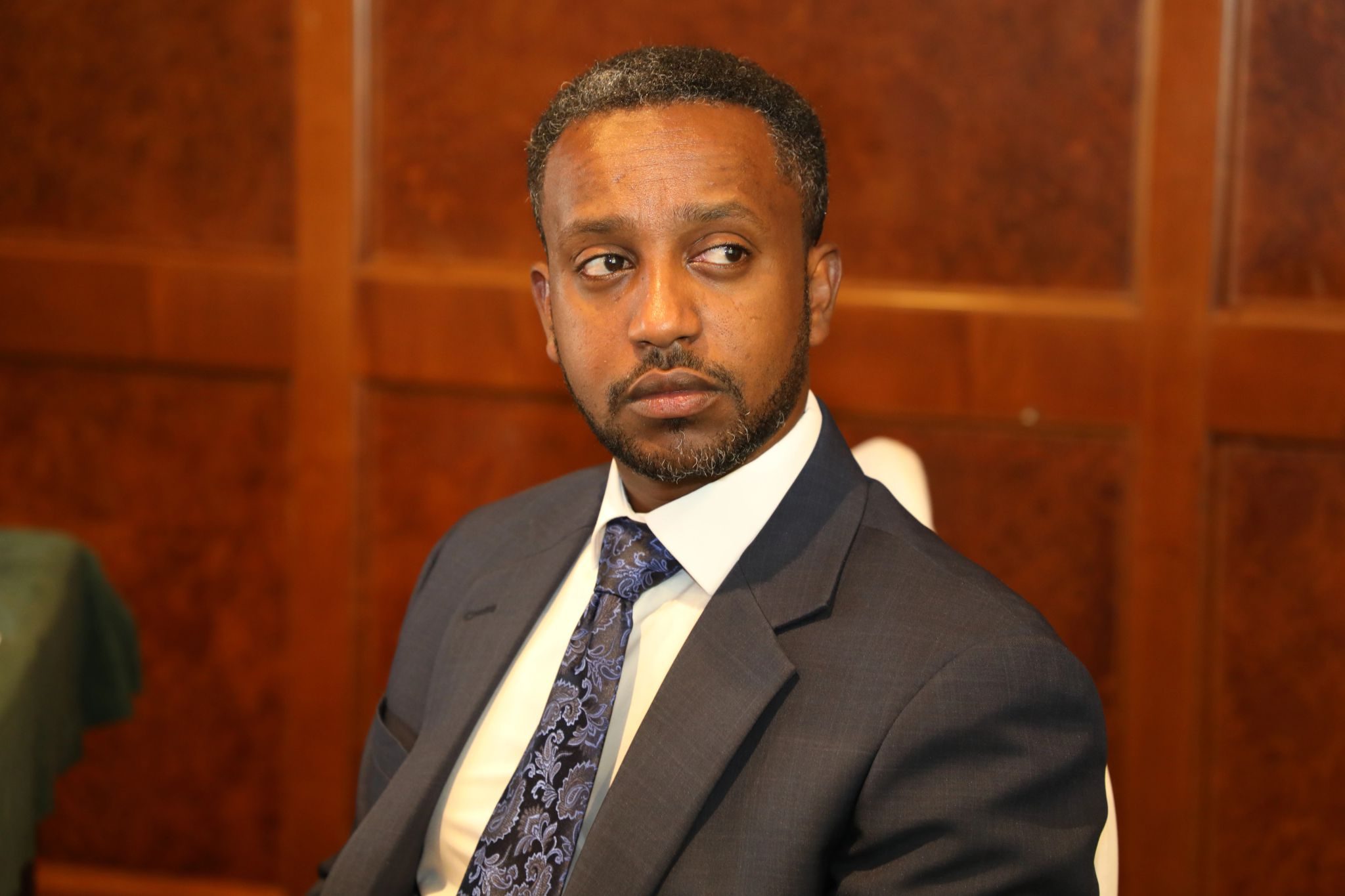
ADDIS ABABA – Yoseph Getachew did not wait for Ethiopia’s capital market to be ready before he started building. Zuri Capital has been operating for nearly four years, a corporate finance business that grew its identity and its pipeline long before the Ethiopian Securities Exchange opened its doors or the Ethiopian Capital Markets Authority began issuing licences.
That head start matters. Zuri is now among thirteen companies licensed by ECMA to provide capital market related services, a number that has nearly doubled in four months and reflects a market moving faster than most observers expected.
But Yoseph is not in the business of celebrating infrastructure. He is in the business of making it work.
“The whole system is built on trust,” he says, speaking to AfricaTells. Everything else he says in the conversation flows from that sentence.
Three Pieces, None of Them Simple
Ask Yoseph how ready Ethiopia’s capital market actually is and he does not reach for reassurance. He reaches for precision.
He breaks the question into three distinct pieces, each one honest about where the gaps remain.
The first is regulation. “The regulatory landscape is still developing,” he says. The capital market proclamation is in place. The subsequent directives are functioning. But critical components are missing. “The collective investment scheme is an important piece of the entire capital market and without that you will not have retail participation,” he explains. The practical consequence is immediate. “If you go now and say to me how would you invest 10,000 birr, 100,000 birr, 5,000 birr, that platform is not there yet.”
The second piece is awareness. Regulators and the exchange have been running regional tours across the country, introducing communities to the concept of capital markets and the role both retail and institutional investors play in making them function. Yoseph respects the effort. He is also realistic about what it requires. “I would imagine it takes time,” he says.
The third piece is the one he controls most directly: the service providers themselves. “We need to act with integrity,” he says. “That is up to the regulator to make sure every service provider acts with integrity and protects public interests within the capital market framework.” Capacity matters as much as compliance. Knowing what to do and being able to deliver it are two different things, and Yoseph speaks about both with the directness of someone who has built a firm that has had to develop both simultaneously.
The Talent Pipeline and the Culture Question
Gacho’s answer to how investment firms stay sustainable in an emerging market is not a pitch. It is a framework, and it starts with people.
“Do you have the pipeline to bring in the right talent?” he asks. “And once they are in, what kind of systems do you have in place to make sure those young talents can catch up, learn and deliver on the services?”
Zuri’s advantage, he argues, is accumulated experience. He and several board members have done this work before, in other jurisdictions and in Ethiopia itself, outside the formal capital market framework. That institutional memory is not something a newly licensed firm can buy. It has to be built over time.
Culture is the second pillar. “Does everyone have integrity? That is a key piece of making this whole juggle work,” he says. The word integrity appears in almost every answer Yoseph gives. It is not a talking point. It is the load-bearing wall of how he thinks about what his firm is for.
Sustainability is the third. Right now, the ECMA mandate requiring share companies to complete securities registration has created a reliable revenue stream for licensed advisors, including Zuri. That work is good for the business. It is also good for the team, building experience across regulatory processes, client engagement and the practical realities of delivering within a still-forming framework.
But Yoseph is clear that registration work is the floor, not the ceiling. “You have to also spend time building what is the next product that we as advisors are going to contribute to the market,” he says. “There should be a balance between short-term gains and long-term initiatives.”
The Trust Question
The final question Yoseph is asked is the hardest one: what responsibility does the private sector carry in sustaining the momentum that regulators and government have created?
He does not deflect it.
“You build trust by doing what you say you are going to do,” he says. The quality of the work that advisory firms deliver on securities registration right now, in this early and formative period, is setting expectations that the public will carry into every future transaction. First impressions in a new market are not easily revised.
Beyond delivery, he argues, the private sector has a pioneering mandate. “It is on us to come up with products and educate the market on those products,” he says. Not just the basics. Customised, tailored solutions for private sector companies looking to raise capital, grow and sustain momentum through instruments the market does not yet fully understand.
“We have to be pioneers in terms of showing the market what can be done in the capital market framework,” Yoseph says. “At the same time, being true to our values and delivering on what we promised, maintaining the integrity and professionalism that this particular capital market requires.”
The Work Ahead
Zuri Capital is four years old. The Ethiopian Securities Exchange is considerably younger. In a market where the infrastructure is in place but the confidence is still forming, the firms that build trust earliest will define what Ethiopia’s capital market becomes.
Yoseph knows that. He built his firm before the market existed because he believed the market was coming. Now that it is here, the question he is answering every day is simpler and harder than any regulatory framework: can the private sector be trusted to lead?
His answer, delivered not in a single sentence but in four years of work, is that it can. The market, he argues, is ready to find out.