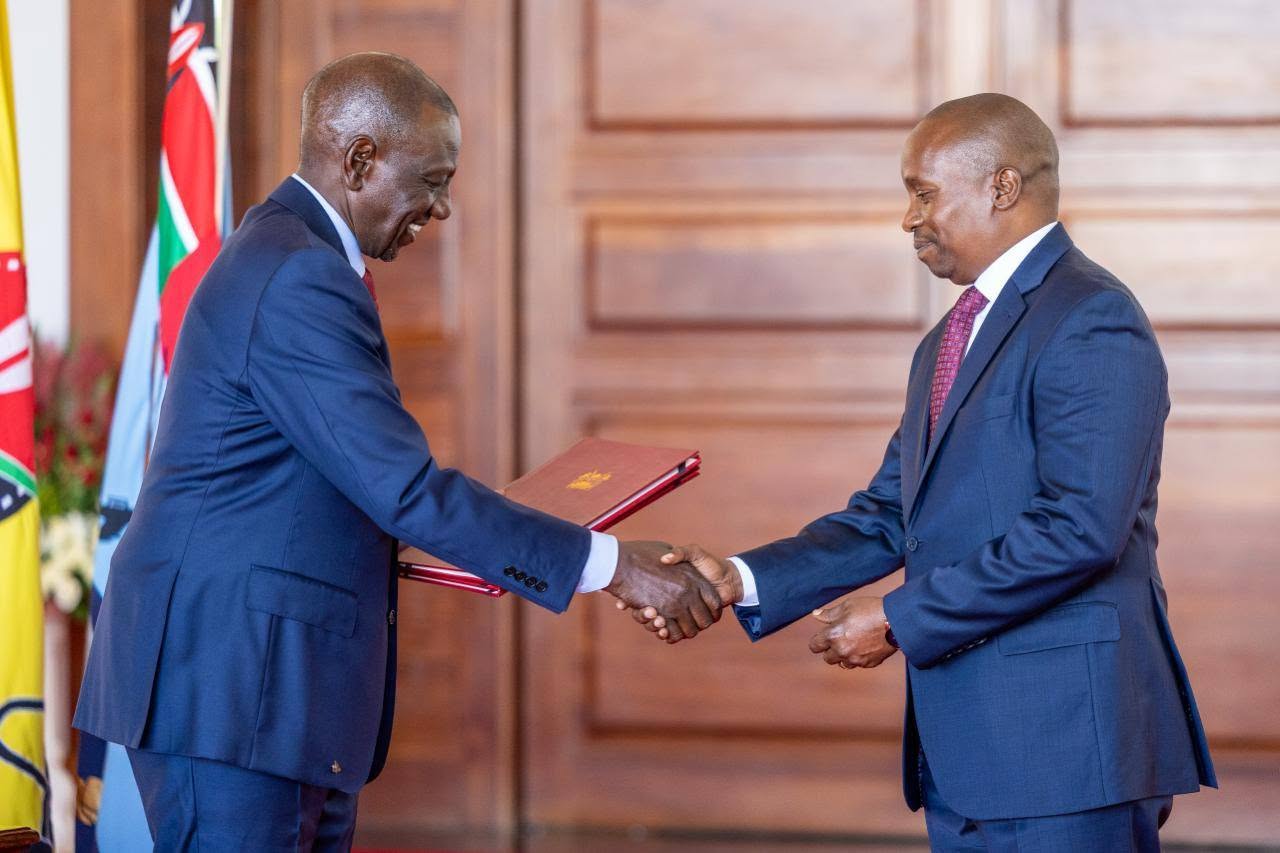
NAIROBI, KENYA — President William Ruto’s signing of the Division of Revenue Act has secured Sh428 billion in funding for Kenya’s county governments, altering the balance of power in the country’s devolved government structure and paving the way for improved service delivery and regional development.
The Division of Revenue Act, 2026, is a crucial step in Kenya’s fiscal year planning, as it determines the allocation of funds between the national and county governments. The act’s signing is a significant development, as it will enable county governments to implement their development projects and provide essential services to their constituents. The allocation of Sh428 billion to the counties is a substantial increase from previous years, reflecting the national government’s commitment to devolution and decentralization.
The signing of the act is a result of intense negotiations between the national government and the county governments, which have been seeking more funding and autonomy to manage their affairs. The Council of Governors, which represents the interests of the county governments, has been pushing for a more equitable share of revenue, arguing that the counties are responsible for delivering most of the essential services to the citizens. The national government, on the other hand, has been seeking to maintain control over the purse strings, citing concerns about the counties’ ability to manage funds effectively.
The allocation of Sh428 billion to the counties will have a significant impact on the country’s development trajectory. The funds will be used to finance development projects, such as road construction, healthcare facilities, and education infrastructure. The increased funding will also enable the counties to hire more staff, including healthcare workers, teachers, and security personnel, which will improve service delivery and economic growth in the regions.
The signing of the Division of Revenue Act is also a significant political development, as it demonstrates the national government’s commitment to devolution and decentralization. The act’s provisions will give more power to the county governments, which will enable them to make decisions about their own development priorities. This will reduce the national government’s control over the counties and give more autonomy to the local leaders.
The next step will be the implementation of the act’s provisions, which will require the county governments to develop plans and budgets for their development projects. The national government will also need to ensure that the counties have the capacity to manage the funds effectively and deliver the expected outcomes. The success of the devolution process will depend on the ability of the national and county governments to work together and ensure that the funds are used efficiently and effectively.
As the county governments begin to implement their development projects, the country can expect to see improvements in service delivery and economic growth in the regions. The increased funding will also create jobs and stimulate economic activity, which will have a positive impact on the country’s overall development trajectory. However, the implementation of the act’s provisions will also pose challenges, such as the need to build capacity in the counties and ensure that the funds are used transparently and accountably. The national government and the county governments will need to work together to address these challenges and ensure that the devolution process is successful.