 ADDIS ABABA, ETHIOPIA – Across Addis Ababa, construction cranes continue to reshape the skyline as Ethiopia’s urban population expands and demand for modern housing accelerates. Yet beneath the rapid growth lies a persistent challenge: how to build cities that are not only larger, but more livable, sustainable and technologically prepared for the future.
That question sits at the center of Temer Real Estate, one of the emerging developers attempting to reposition Ethiopia’s housing market beyond conventional apartment construction.
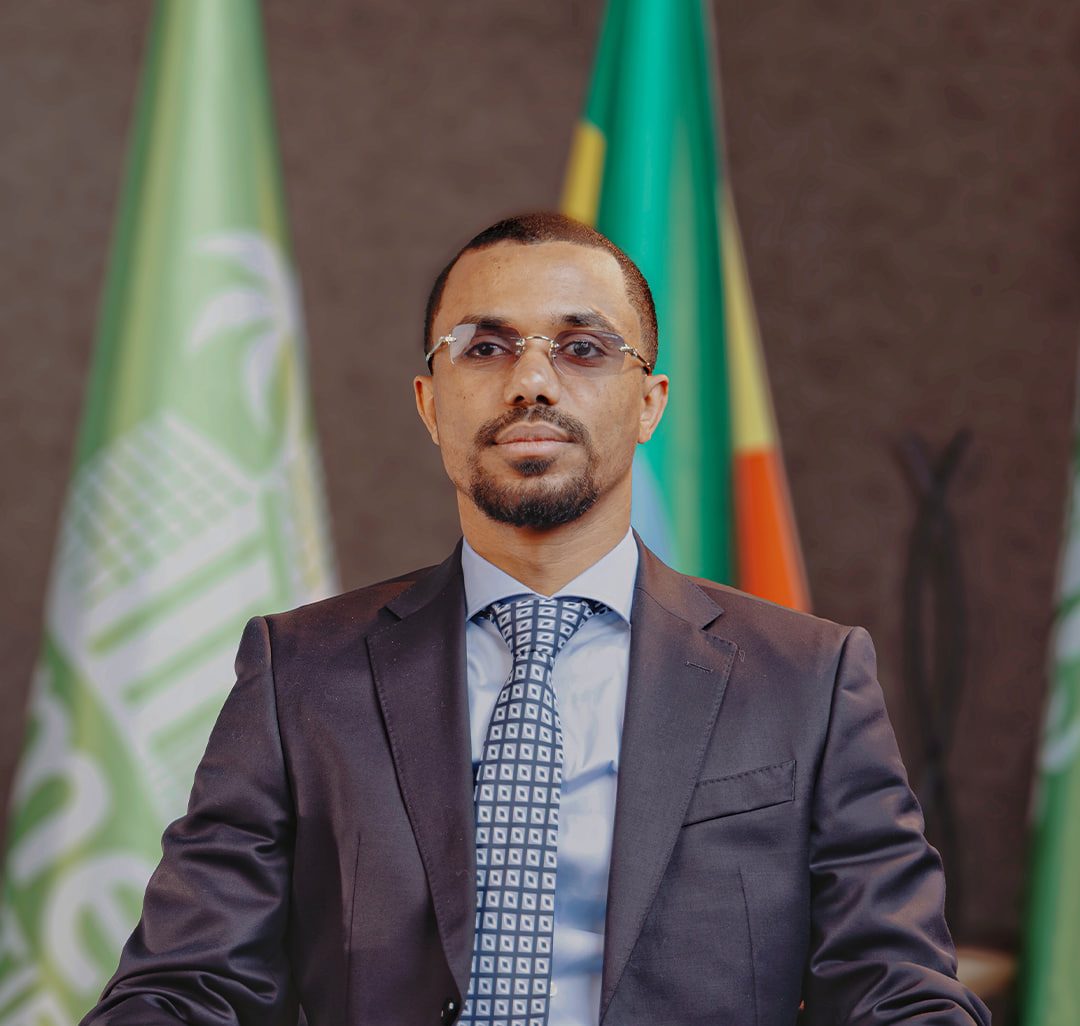
Jafer outlined how the company is attempting to merge modern technology, architectural expertise and long term urban planning into a new model of residential development.
From electric vehicle charging stations and integrated security systems to after delivery resident training and mixed use community planning, the company argues that Ethiopia’s real estate sector must evolve alongside the country’s urban transformation.
“Housing is not simply about constructing buildings,” Jafer said. “It is about creating a standard of living that people can sustain for decades.”
The company’s ambitions come as Ethiopia faces mounting pressure to address an expanding housing deficit driven by rapid urbanization, demographic growth and rising middle class demand.
Temer Real Estate says it intends to become part of that national response while simultaneously redefining expectations around quality, technology and urban living.
Technology Is Becoming Central to Ethiopian Housing
Unlike many traditional developers in Ethiopia’s real estate market, Temer Real Estate places technology integration at the core of its business model.
Jafer, whose background is in computer science, said his technical training allows the company to adapt more quickly to evolving urban infrastructure needs.
“We are trying to integrate systems that are already becoming standard globally,” he said.
That includes electric vehicle charging infrastructure, advanced security camera systems, modern mechanical installations and upgraded electrical systems designed for long term operational efficiency.
The company argues that technology should no longer be treated as an optional luxury feature within Ethiopia’s housing sector, particularly as urban lifestyles become increasingly digitized and infrastructure dependent.
According to Jafer, future housing competitiveness will depend not only on location and price, but also on how intelligently buildings are designed and managed.
“We want the apartments to function efficiently long after delivery,” he explained.
That approach reflects a broader shift occurring across African cities, where developers are increasingly being forced to think beyond basic housing supply toward integrated urban ecosystems capable of supporting changing economic and technological realities.
Betting on International Expertise
Temer Real Estate also emphasizes technical expertise as part of its competitive strategy.
The company has assembled architects and engineers with international educational and professional experience, which Jafer believes is essential for improving construction standards in Ethiopia.
Among them is architect Biniyam, who studied in Norway and has contributed to the design of major medical facilities in Ethiopia, including Amin Hospital and Ethio Tebib.
The company’s structural engineering operations are led by Engineer Mengesha, who holds a master’s degree from Liverpool and previously worked across aviation and high rise development projects.

According to Jafer, this combination of international exposure and local implementation experience allows the company to design projects that minimize common failures often associated with rapidly expanding urban construction.
“We focus heavily on preventing future problems,” he said. “Electrical systems, water systems, communal spaces, all of these things matter because people are not simply buying walls. They are buying a lifestyle.”
That emphasis on functionality reflects growing consumer awareness within Ethiopia’s urban property market, where buyers are increasingly scrutinizing long term maintenance costs, building durability and post occupancy quality standards.
Real Estate as Long Term Infrastructure
Temer Real Estate argues that housing should be treated as strategic infrastructure rather than speculative short term construction.
Jafer described housing ownership as both a social necessity and a long term economic asset.
“Housing is one of the strongest investments people can make,” he said.
The company’s investment model prioritizes durable materials and infrastructure systems intended to reduce future maintenance burdens on residents.
According to Temer Real Estate, that includes high quality elevators, reinforced water systems and carefully selected construction materials designed for long operational lifespans.
Location selection also plays a central role in the company’s strategy. Rather than concentrating exclusively in a single urban corridor, Temer Real Estate says it is pursuing projects across multiple parts of Addis Ababa to diversify accessibility and accommodate different income segments.
The broader objective, Jafer explained, is to align real estate growth with long term urban sustainability.
“People should not have to rebuild or constantly repair their homes after only a few years,” he said.
The comments come as Ethiopia’s urban housing sector continues to face criticism over inconsistent construction quality, delayed project completion and rising affordability pressures.
Teaching Residents How to Live in Vertical Cities
One of the company’s most unusual features is its after delivery service model, which Temer Real Estate says remains relatively rare within Ethiopia’s property market.
According to Jafer, many Ethiopian families transitioning from ground level housing into apartment towers face a major lifestyle adjustment that developers often ignore.
“Moving into vertical living requires a completely different way of thinking,” he said.
To address that challenge, the company provides orientation and training for residents after handover.
That includes guidance on waste disposal systems, elevator usage, communal space management and security procedures for visitors.
The company believes these programs are essential for maintaining both infrastructure quality and social cohesion inside large residential developments.
“We cannot simply hand over keys and disappear,” Jafer said. “Residents need support in understanding how modern apartment systems work.”
The approach reflects a broader reality confronting rapidly urbanizing African cities: infrastructure modernization often requires parallel cultural and behavioral adaptation.
As apartment living becomes more common across Addis Ababa, developers may increasingly face pressure to provide long term management systems rather than limiting their role to construction alone.
“House Like Bread”: A National Housing Vision
At the center of Temer Real Estate’s identity is a slogan the company says captures its broader philosophy: “House Like Bread.”
For Jafer, the phrase reflects the belief that housing should be treated as a basic social necessity rather than an exclusive commodity.
“Shelter is fundamental,” he said. “Just like food.”
That vision aligns closely with Ethiopia’s broader housing ambitions. The government has announced plans to support the development of 1.5 million homes over the next six years as part of wider urban expansion efforts.
Jafer says the private sector must play a central role in meeting that demand.
As a board member of the newly established Ethiopian Real Estate Developers Association, he says Temer Real Estate is actively collaborating with policymakers and industry actors on national housing priorities.
At company level, the expansion plans are ambitious.
Temer Real Estate says it aims to initiate 100 projects within the year as it scales operations inside Addis Ababa and prepares for future expansion into regional cities including Bahir Dar, Gondar, Hawassa, Jimma, Dire Dawa and Wollega.
The strategy reflects a growing recognition that Ethiopia’s urbanization challenge extends far beyond the capital.
Still, scaling rapidly while maintaining construction quality, infrastructure standards and affordability will remain a major test for both developers and regulators.
For Temer Real Estate, however, the company argues that Ethiopia’s next phase of urban growth cannot rely on outdated development models.
Instead, Jafer believes the future of Ethiopian cities will depend on whether developers can combine technology, sustainability and long term planning into a coherent urban vision.
“The goal is not only to build apartments,” he said. “The goal is to improve how people live.”