HARGESA SOMALILAND – Somaliland marked the 35th anniversary of its self-declared restoration of independence on May 18, reviving historical debates over sovereignty, statehood, and international recognition in one of Africa’s most contested political spaces.
For Somalilanders, the anniversary is not simply a ceremonial date. It represents the culmination of a historical trajectory that began on 26 June 1960, when the former British Somaliland Protectorate briefly gained independence from the United Kingdom before voluntarily uniting days later with the former Italian-administered Somalia to form the Somali Republic.
That union, initially framed through pan-Somali nationalism and the vision of a greater Somali state, gradually unraveled amid accusations of political marginalization and centralized authoritarian rule under President Mohamed Siad Barre. By the 1980s, armed conflict between the Somali government and northern opposition movements had escalated into one of the deadliest episodes in the Horn of Africa.
Cities including Hargeisa and Burao suffered extensive destruction during aerial bombardments and military campaigns that human rights groups and survivors have described as systematic attacks against civilian populations. The violence displaced hundreds of thousands and fundamentally reshaped Somaliland’s political identity.
After the collapse of the Somali central government in 1991, clan elders and political leaders meeting in Burao declared the restoration of Somaliland’s sovereignty on 18 May 1991. Unlike southern Somalia, which descended into prolonged instability and factional conflict, Somaliland pursued a locally driven reconciliation process that gradually produced hybrid governance institutions combining customary authority with electoral politics.
Over the past three decades, Somaliland has cultivated a reputation for relative stability, conducting elections, maintaining internal security, and developing functioning state institutions despite lacking formal international recognition. That governance trajectory has increasingly attracted external attention as the Red Sea and Gulf of Aden emerge as major geopolitical theaters shaped by maritime competition, infrastructure politics, and strategic rivalries.
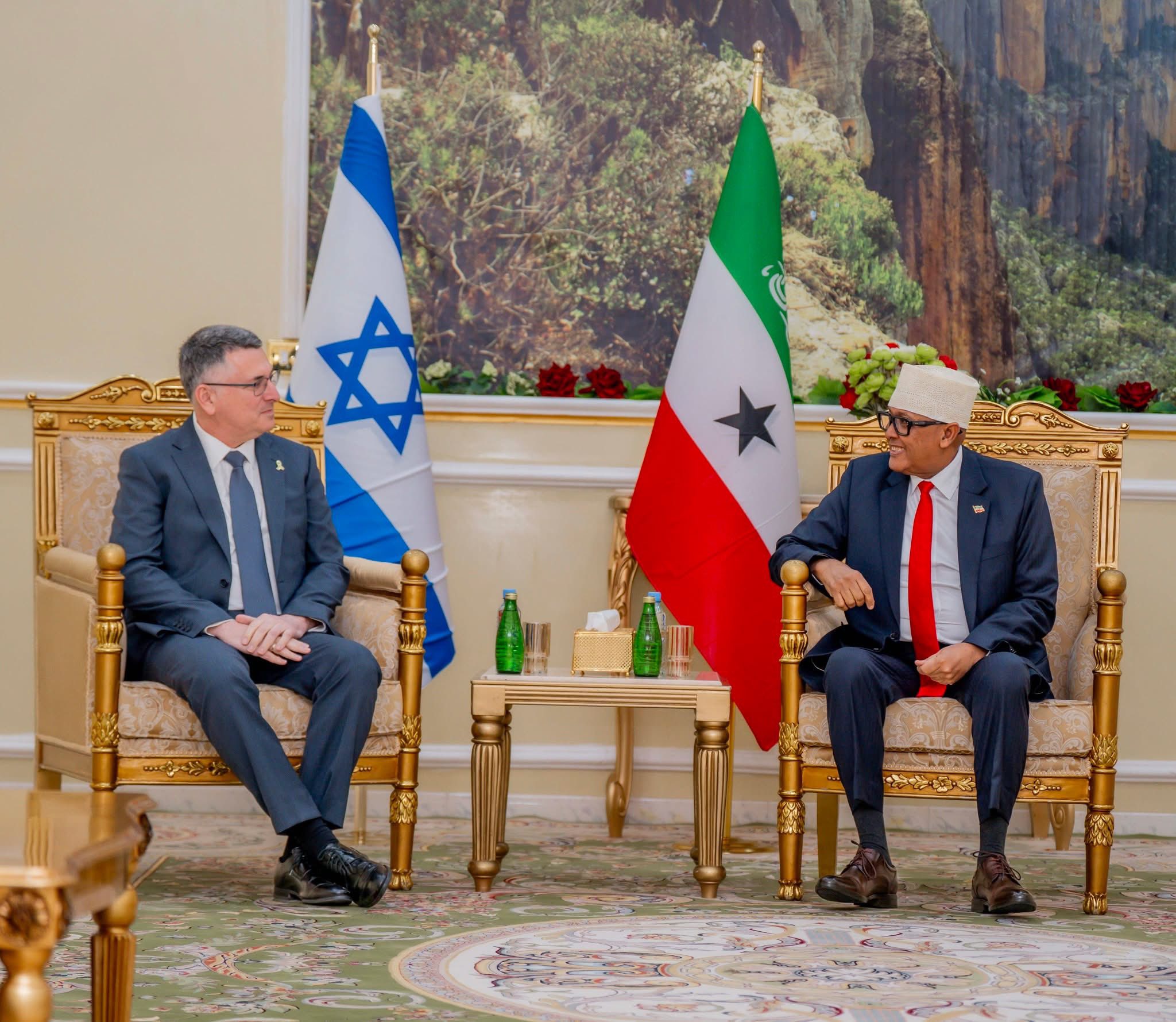
A significant shift came in December 2025 when Israel officially recognized Somaliland, marking the first formal recognition by a United Nations member state in decades. The decision intensified regional debate over whether Somaliland’s de facto statehood could eventually translate into wider diplomatic recognition, particularly as global powers reassess strategic alignments across the Horn of Africa.
For Somaliland authorities, the anniversary therefore carries both historical and geopolitical significance. It commemorates survival after conflict while reinforcing a continuing claim to sovereign statehood in an increasingly contested regional order.