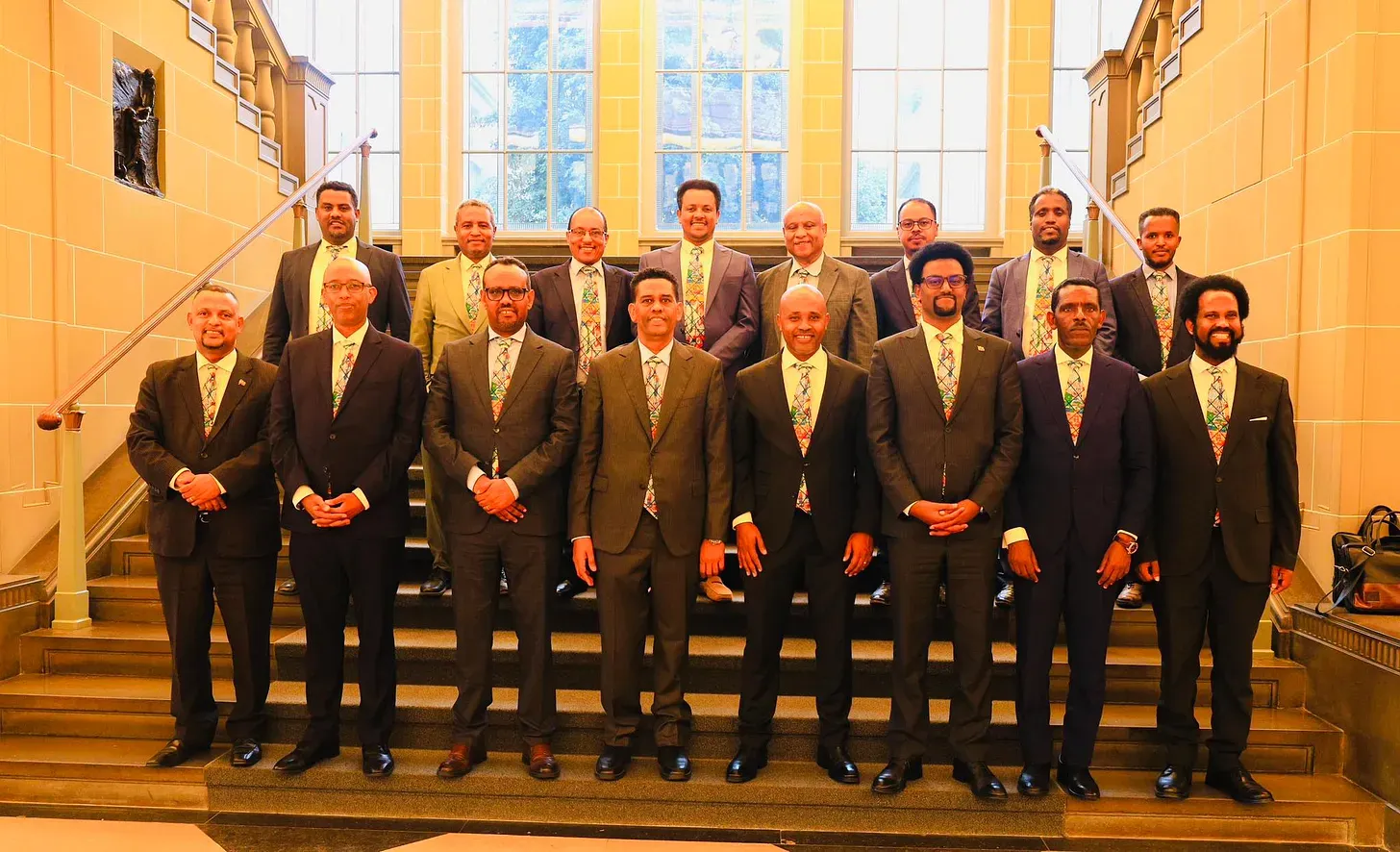
GENEVA/ADDIS ABABA — Ethiopia moved a step closer to joining the World Trade Organization after concluding its sixth Working Party meeting in Geneva, signalling progress in membership talks that have stretched over two decades. The milestone matters for investors and businesses eager for clarity on the country’s trade regime and its integration into the global economy.
Trade and Regional Integration Minister Kassahun Gofe said Ethiopia had responded to more than 200 technical questions from WTO members during the latest round, describing the discussions as “fruitful.”
Growing Support Among WTO Members
The minister noted that support from WTO members had widened significantly, with 30 countries backing Ethiopia’s bid — up from 19 in the previous session.
“This is a significant milestone in the process that has taken more than 20 years since Ethiopia applied for WTO membership,” Kassahun told reporters after the Geneva talks.
The Geneva discussions mark the furthest point Ethiopia has reached in its 22-year accession process. The seventh session of the Working Party and the subsequent round of negotiations are scheduled forJanuary 2026.
The Economic Case for Membership
Trade policy experts say WTO accession could unlock significant economic benefits for Ethiopia if domestic reforms are sustained.
“Countries like Vietnam and China experienced rapid export expansion and inflows of investment after joining the WTO,” said Girum Areda, a trade policy expert. “Ethiopia has the potential to follow a similar path if reforms are sustained.”
Experts expect further discussions on tariff bindings, service sector commitments, and compliance with trade-related intellectual property rules. For Ethiopia, accession would not only be a symbolic step toward global economic integration but also a practical lever for attracting investment and boosting export earnings.
Risks and Challenges Ahead
Membership also presents real challenges. Opening the market imposes more intense competition on domestic industries, driving modernization of manufacturing and agriculture. Legal reforms to align with WTO standards could also strain Ethiopia’s institutional capacity.
“To mitigate these risks, the government has pledged support for local industries and efforts to build negotiation expertise,” Minister Kassahun affirmed.
The pace of reforms and the ability to balance liberalisation with domestic capacity building will determine how quickly — and how effectively — the benefits of WTO membership materialise, Areda concluded.