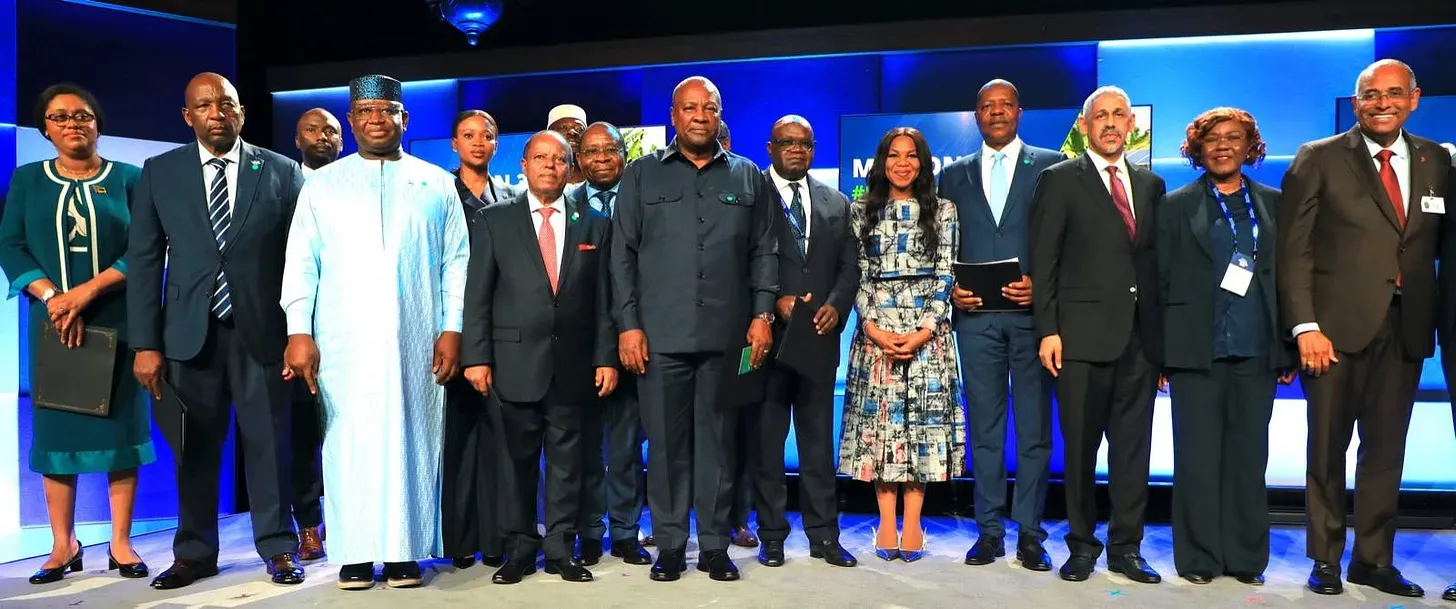
ADDIS ABABA — Ethiopia has formally joined Mission 300, a $50 billion initiative led by the African Development Bank, the World Bank Group, and global partners — a move that positions the country as a potential power hub in East Africa while opening access to large-scale international financing for its energy sector.
For Ethiopia, membership in Mission 300 comes at a moment of accelerating energy ambition. The government has pledged to develop a National Compact strategy with clear timelines for renewable energy projects spanning hydropower, wind, and solar.
Reforms Already Underway
President Taye said energy reforms are already in motion to modernize utilities and improve regulatory frameworks — part of a wider effort to expand industrialisation and reduce energy poverty across the country.
Ethiopia, which already exports electricity to neighbouring countries including Sudan, Kenya, and Djibouti, sees Mission 300 as a significant opportunity to scale up its regional energy integration efforts and attract new infrastructure investment.
About Mission 300
Launched in January, Mission 300 is backed by a coalition of multilateral lenders, governments, and private investors. Since its inception, the initiative has connected 30 million people to electricity across Africa, with projects under development expected to reach another 100 million.
The programme’s ultimate goal is to achieve universal electricity access across the continent — where more than half of the population still lives without reliable power.
The Economic Multiplier Argument
African Development Bank President Sidi Ould Tah framed reliable energy as a direct catalyst for economic transformation.
“Reliable and affordable power supply is the fastest multiplier for SMEs, agri-food transformation, digital labour, and industrial value creation,” he said — underscoring the initiative’s direct link to manufacturing growth and technology-driven industries.
World Bank Group President Ajay Banga reinforced the message. “Electricity is the backbone of jobs, opportunity, and economic growth,” he said. “Improving energy access would help unlock Africa’s long-term development potential and attract new investment flows.”
Ethiopia’s Regional Energy Ambitions
Ethiopia’s participation in Mission 300 reflects the country’s strategic positioning as a continental energy exporter. With the Grand Ethiopian Renaissance Dam now operational and additional hydropower projects under development, Addis Ababa is increasingly focused on becoming the primary power supplier for East Africa.
Access to Mission 300’s financing architecture could accelerate that ambition — providing capital for grid expansion, cross-border ransmission infrastructure, and the renewable energy projects needed to meet both domestic demand and regional export commitments.