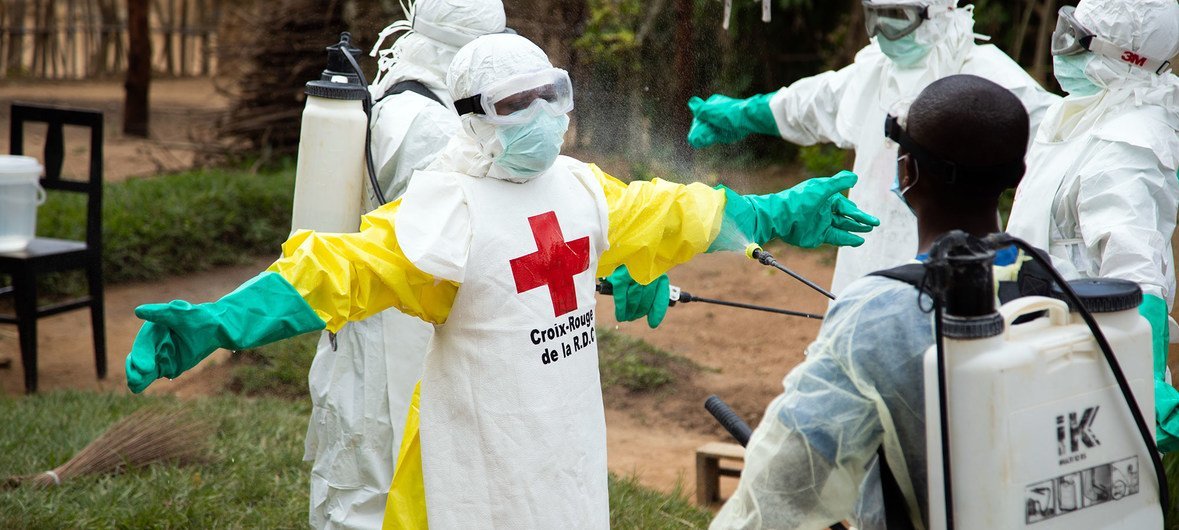
KINISHASA, DR CONGO – The Ebola outbreak in the Democratic Republic of Congo has reached a critical point, with the international medical charity Medecins Sans Frontieres (MSF) warning that the spread of the virus is “deeply alarming”. This warning comes as the head of the World Health Organization (WHO) visits the region worst-hit by the outbreak, in a bid to assess the situation and provide necessary support.
The current situation is particularly concerning due to the rapid spread of the virus in recent weeks. The WHO has reported a significant increase in the number of cases, with many more people suspected to be infected. This has raised fears that the outbreak could spiral out of control, leading to a humanitarian crisis of epic proportions. The fact that the virus has spread to major cities has further complicated the situation, making it harder for health workers to track and contain the outbreak.
The stakes are high, with over 1,000 people already infected and more than 600 deaths reported. The numbers are alarming, and the situation on the ground is dire. Many people are still awaiting medical attention, and the lack of adequate healthcare facilities and personnel is exacerbating the crisis. Furthermore, the fact that the outbreak is occurring in a region with limited resources and infrastructure is making it even harder to respond effectively. According to MSF, the number of cases is increasing rapidly, with an average of 20 new cases reported every day.
The current outbreak is the second-largest in history, and it has already surpassed the 2000 Uganda outbreak in terms of the number of cases. The virus has spread to several provinces, including North Kivu, South Kivu, and Ituri. The WHO has reported that the outbreak is still not under control, despite efforts to vaccinate people and improve healthcare services. Data from the WHO shows that the virus has a fatality rate of around 60%, making it one of the deadliest outbreaks in recent history. The fact that the outbreak is occurring in a region with a history of conflict and instability has further complicated the situation.
From an intelligence perspective, the rapid spread of the virus suggests that there may be a lack of coordination and communication between different stakeholders, including the government, health workers, and local communities. This lack of coordination has made it harder to track and contain the outbreak, allowing the virus to spread rapidly. Furthermore, the fact that the outbreak is occurring in a region with limited resources and infrastructure has made it harder to respond effectively. Intelligence reports also suggest that there may be a shortage of medical supplies and personnel, which is exacerbating the crisis.
From an AfricaTells intelligence perspective, the Ebola outbreak in the DR Congo highlights the need for a more coordinated and effective response to health crises in Africa. The fact that the outbreak has spread rapidly despite efforts to contain it suggests that there may be a need for a more nuanced and multi-faceted approach to addressing health crises. This could involve working more closely with local communities, improving healthcare infrastructure, and providing more support to health workers. Furthermore, the fact that the outbreak is occurring in a region with limited resources and infrastructure highlights the need for more investment in healthcare and other essential services.
As the situation continues to unfold, it is likely that the international community will be called upon to provide more support to the affected region. This could involve providing more medical supplies and personnel, as well as improving healthcare infrastructure and services. The WHO and other international organizations will need to work closely with the government and local communities to develop a more effective response to the outbreak. In the coming weeks and months, it will be important to monitor the situation closely and provide updates on any developments. The international community will also need to consider the long-term implications of the outbreak and how to prevent similar crises from occurring in the future.