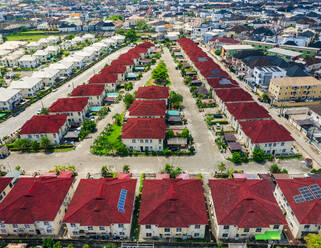
Nigeria’s housing crisis has been a longstanding issue, but its impact on renters has become a growing concern. The crisis has led to a significant increase in rent prices, making it difficult for workers to afford decent housing.
According to recent reports, the average rent price in Nigeria has increased by over 20% in the past year alone, with some areas experiencing even higher increases. This has resulted in many workers having to spend a significant portion of their income on rent, leaving them with limited funds for other essential expenses.
The situation is further exacerbated by the country’s high inflation rate, which has eroded the purchasing power of the average Nigerian. The housing crisis in Nigeria is not a new phenomenon, but its impact on renters has become more pronounced in recent times. The crisis is attributed to a combination of factors, including a shortage of affordable housing, rapid urbanization, and a lack of effective government policies to address the issue.
The Nigerian government has been criticized for its failure to provide adequate housing for its citizens, with many Nigerians being forced to live in informal settlements or slums. The rent burden on workers in Nigeria is not only a social issue but also an economic one.
It has significant implications for the country’s economy, as it can lead to reduced consumer spending, decreased productivity, and increased poverty. The situation is also likely to worsen if the government fails to take decisive action to address the housing crisis.
In recent times, there have been calls for the government to implement policies that will make housing more affordable for Nigerians. Some of the proposed solutions include the provision of subsidized housing, the implementation of rent control measures, and the development of more affordable housing options. However, the government’s response to these calls has been slow, and it remains to be seen whether it will take decisive action to address the crisis.
From an AfricaTells intelligence perspective, the housing crisis in Nigeria highlights the need for African governments to prioritize the provision of affordable housing for their citizens.
It also underscores the importance of effective urban planning and the development of sustainable housing solutions. The crisis is a wake-up call for African policymakers to rethink their approach to housing and to develop policies that will make housing more affordable and accessible to all.
According to data from the Nigerian National Bureau of Statistics, the country’s housing deficit stands at over 17 million units, with the deficit expected to grow to over 20 million units by 2025. The data also shows that the average Nigerian spends over 50% of their income on rent, with some spending as much as 70%. These statistics highlight the severity of the crisis and the need for urgent action to address it. In conclusion, the housing crisis in Nigeria is a complex issue that requires a multifaceted approach to resolve.
The government, private sector, and civil society must work together to develop sustainable housing solutions that will make housing more affordable and accessible to all Nigerians.
The situation is a clarion call for African governments to prioritize the provision of affordable housing and to develop policies that will make housing more affordable and accessible to all.