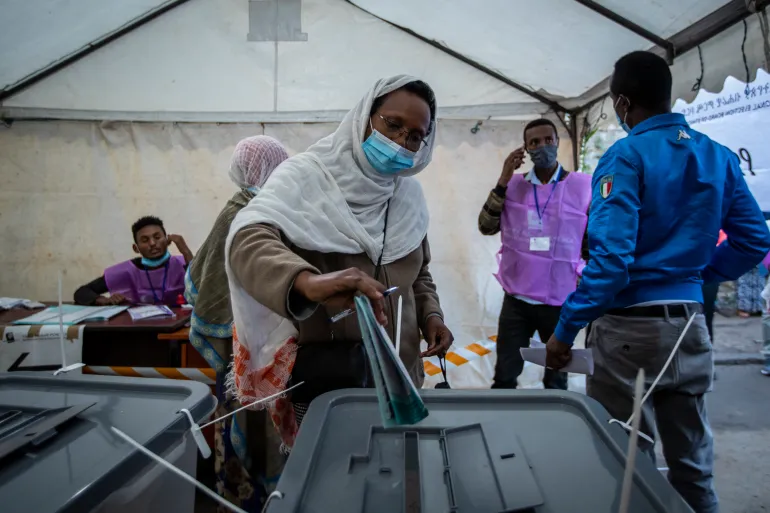
As Ethiopia prepares for the June 1, national elections with over 54 million registered voters, the process is being marred by insecurity in the Amhara region and the exclusion of Tigray from the vote, leaving millions of citizens unable to participate.
The election comes at a time when the country is grappling with internal conflicts, including the ongoing Tigray tension, which has resulted in thousands of deaths and displacements during the 2020-2022 deadly war.
Why now, one might ask, is the government proceeding with elections despite these challenges? The answer lies in the government’s desire to consolidate power and legitimize its rule.
The stakes are high, with the risk of further instability and violence looming large. What sets these elections apart is the fact that they are taking place amidst a backdrop of conflict and humanitarian crisis, making it a unique and complex situation.
From an AfricaTells intelligence perspective, it is clear that the elections will have significant implications for the country’s future, with the potential to either exacerbate or alleviate the current tensions.
According to reports from various sources, including the BBC, the elections are expected to be dominated by Prime Minister Abiy Ahmed’s party, which has raised concerns about the fairness and transparency of the process. As the country moves forward, the international community will be watching closely to see how the elections unfold and what the outcome will be.
In terms of what happens next, the government will need to address the underlying issues driving the conflict and work towards finding a peaceful resolution, while also ensuring that the rights of all citizens are respected and protected.