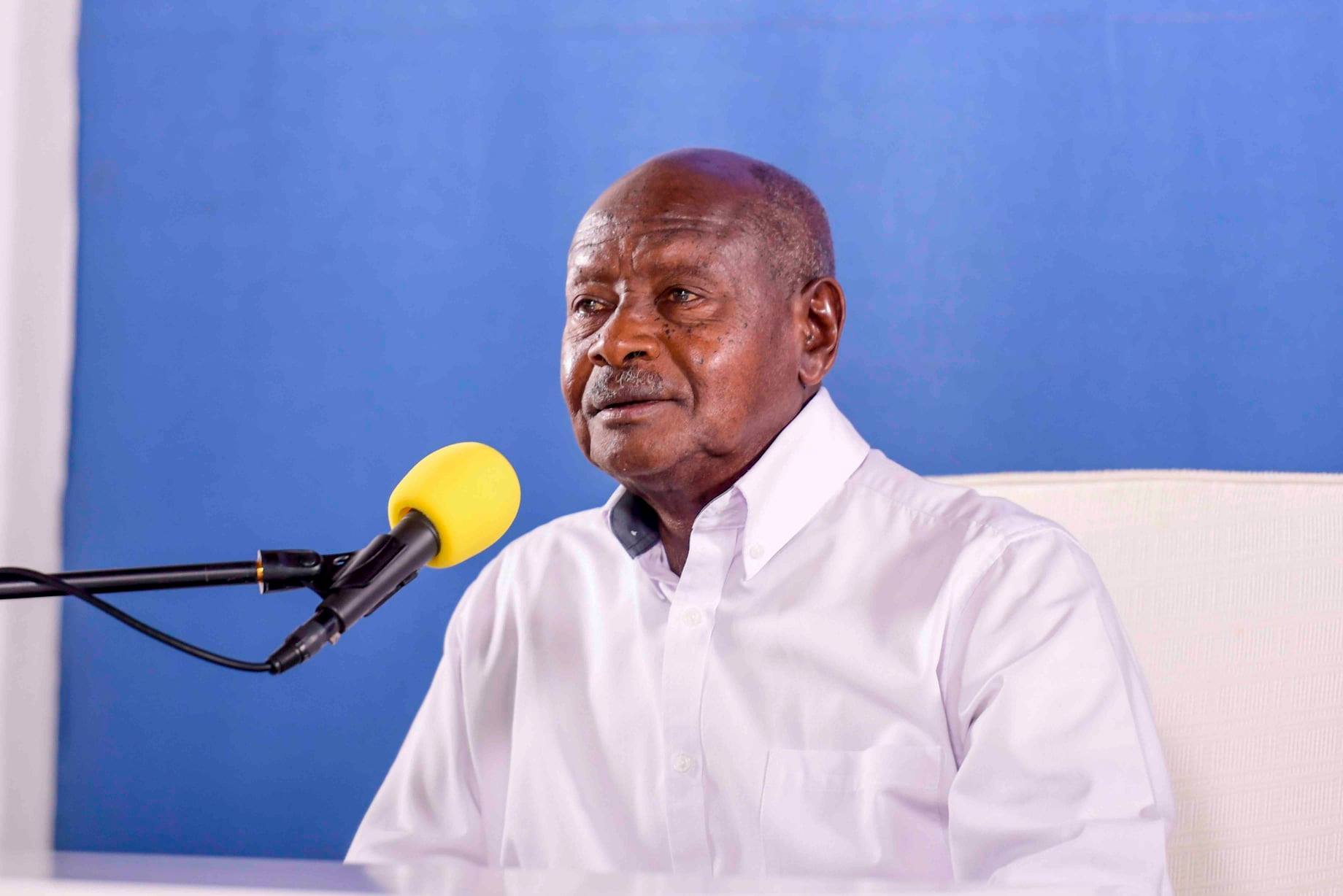
UGANDA – Forty years after first taking power, Yoweri Museveni has secured another term as president of Uganda following a tense and heavily contested election. On 15th of January 2026, the Electoral Commission confirmed Museveni’s victory after announcing he had won more than 50 percent of the valid votes cast.
The election campaign was marked by political tension, reports of intimidation, and a temporary nationwide internet blackout. Opposition groups rejected the results, alleging electoral irregularities and suppression of dissent during the voting process.
Museveni’s victory extends one of Africa’s longest-serving presidencies, reinforcing both his reputation as a guarantor of stability and criticism that political power in Uganda has become increasingly concentrated around the presidency.
Bobi Wine and the Rise of Youth Opposition
The strongest challenge to Museveni came from opposition leader Robert Kyagulanyi, popularly known as Bobi Wine, whose message has resonated strongly with younger Ugandans frustrated by unemployment, corruption, and inequality.
“We are going into this election as a way of protesting against the injustice that has been occasioned to us for the last 40 years,” Bobi Wine said during the campaign. “We are protesting, and the protest begins now.”
Bobi Wine has emerged as the face of a growing political movement seeking generational change in Uganda. Many of his supporters argue that millions of young citizens have never experienced leadership under anyone other than Museveni.
Speaking previously about the dangers of confronting state power, Bobi Wine stated: “Not scared for my life, though I know that I am taking definite risks. I think that the risks I’m taking are justified.”
Stability, Legacy and Africa’s Democratic Debate
Museveni first came to power after years of instability and repression, promising to rebuild and unite Uganda. His early administration introduced the “movement system,” a no-party political structure aimed at reducing divisions in a fragile post-conflict nation. Although Ugandans endorsed the system in a 2000 referendum, multi-party politics were restored in 2005, creating room for a stronger opposition.
Supporters credit Museveni’s government with restoring security, improving infrastructure, and positioning Uganda as an important regional actor in East Africa. Uganda has played a major role in regional peacekeeping and security operations, strengthening its influence across the continent.
Critics, however, argue that political freedoms have steadily narrowed over time. Concerns over human rights, democratic space, and long-term leadership have placed Uganda at the center of a broader African debate about governance, presidential term limits, and democratic transition.
The outcome of Uganda’s elections matters beyond its borders. As one of East Africa’s most influential countries, Uganda’s political stability affects regional trade, migration, and security. The country’s political future is increasingly viewed as a test of how African nations balance stability and development with demands for democratic reform and generational change.