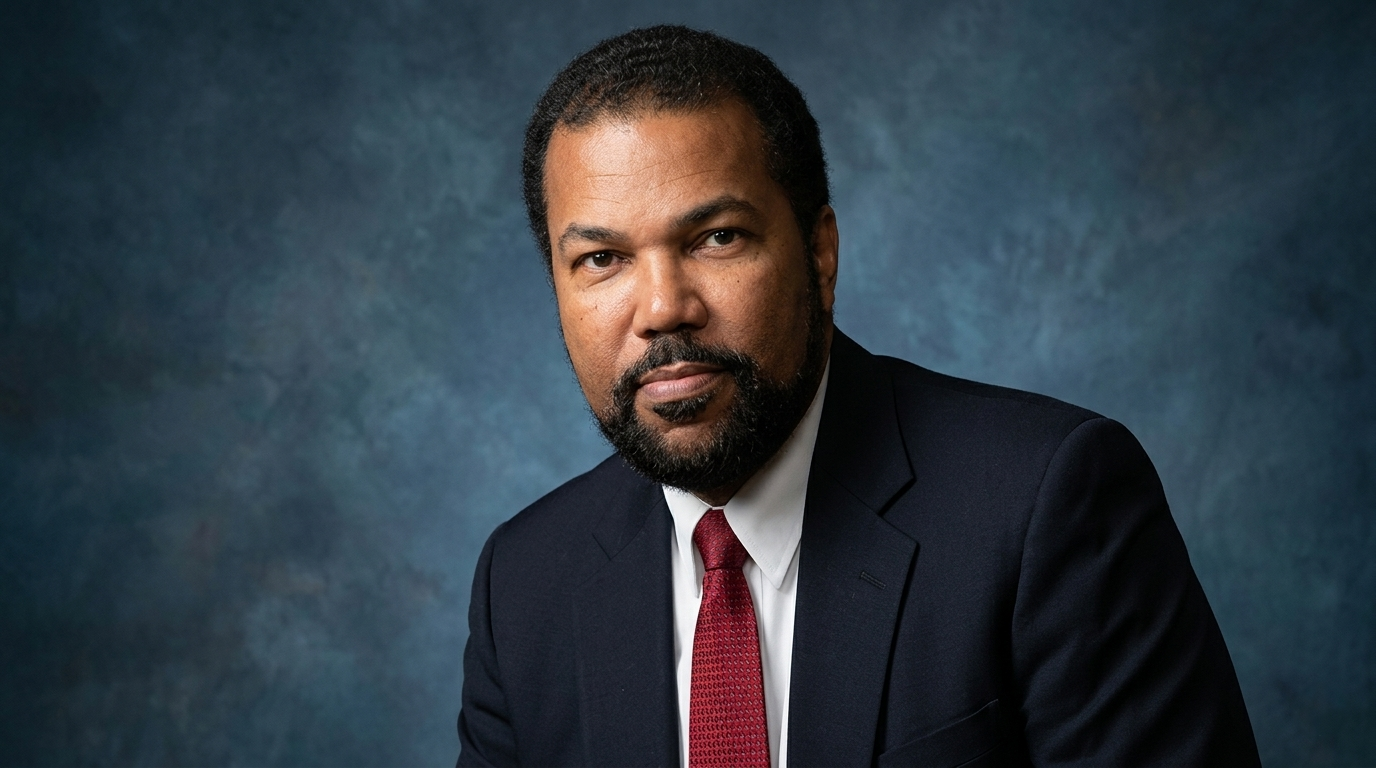
In a recent interview with Financial Nigeria Magazine, ANLAC Inc. outlined a proposal to restructure financial systems around food production rather than conventional interest based currency. The organization, led by Joe Thorpe, president at ANLAC, describes itself as a United Nations registered non governmental organization promoting a non interest food based financial system designed for community and environmental sustainability.
Joe Thorpe stated, “Our goal is to develop family businesses that grow organic food, create solar energy, and 3D printed products.” The model is presented as a response to persistent questions about how to finance sustainable technologies and community level production across developing economies. ANLAC argues that financial value should be anchored in tangible goods rather than fiat currency systems, which it views as detached from material production.
Building a Food Backed Financial Ecosystem
At the center of ANLAC’s proposal is a system where digital credit creation is directly tied to food production. According to Joe Thorpe, loans are issued without interest and repaid using stored organic food, facilitated through a mobile application. He explains, “Our system requires organic food to be produced for every digital dollar that is created.”
The organization positions [t]his structure as a way to localize wealth and reduce dependency on external financial systems. Joe Thorpe notes that food functions as a stable and distributable form of value that remains within national economies, adding, “The organic food stays on the farms and greenhouses, and in pantries and storehouses until needed.”
Within this framework, ANLAC also critiques conventional fiat systems, arguing they are unstable and disconnected from real production. Joe Thorpe maintains that the model avoids interest based lending entirely, framing it as incompatible with ethical and religious financial principles.
Scaling Sustainability Through Local Production Networks
ANLAC’s broader vision extends beyond agriculture into energy and manufacturing. The organization describes a production ecosystem where food, energy, and industrial goods are locally generated and consumed, including solar energy systems and 3D printed manufacturing outputs such as housing components and clothing.
“This wealth can be used to purchase locally 3D printed products such as solar cells, clothing, homes, and maglev trains,” Joe Thorpe stated. The model envisions reduced reliance on imports, with intellectual exchange replacing traditional physical trade flows.
The organization further links its approach to sustainability objectives across Africa, emphasizing food security, energy independence, and industrial innovation. It argues these sectors should be developed through decentralized family based enterprises supported by its financial system.
Regional Reach and Media Engagement Strategy
ANLAC reports operational presence in multiple African countries, including Nigeria, where it says members are active across agriculture, finance, energy, mining, real estate, and nonprofit sectors. Nigeria is positioned as a strategic hub within its continental vision.
The organization describes a geographic development concept it calls a sustainable corridor linking major African cities. Joe Thorpe explained, “Our goal is to create a sustainable east west Nile running from Lagos to Cairo and Maputo to Rabat with Nigeria as an important crossroads.”

On media engagement, ANLAC emphasizes collaboration for awareness and adoption of its model. It calls for media platforms to support visibility for organic food production, renewable energy, and local manufacturing initiatives, while encouraging governments and businesses to integrate sustainability into economic and employment frameworks.
ANLAC’s proposal presents a radical rethinking of financial architecture by linking currency creation to food production and positioning sustainability as a structural economic principle rather than a policy objective. While the model remains outside mainstream financial frameworks, it reflects ongoing global debates, around alternative monetary systems, localization, and resource backed economies.